
by Ophtek, LLC | Feb 25, 2020 | Network, Ophtek, remote workers, Security, Security Threats
How to Keep Your Remote Workers Secure. Advances in technology have created an environment where clocking in at the office is no longer required. But remote working is not without security risks. Remote working is on the rise with many organizations offering...
by Ophtek, LLC | Feb 18, 2020 | Ophtek, Phishing, Phishing Email, Security, Security Threats
Coronavirus Malware Spreads Round the World. The coronavirus is the latest health scare to be spreading across the globe. Hackers, as clever as ever, are using this fear to spread malware. Hackers are innovative criminals and are constantly on the lookout for...
by Ophtek, LLC | Feb 11, 2020 | Cloud, Cloud Storage, migration, Online Storage, Ophtek
How to Avoid Cloud Migration Risks. Cloud services are one of the hottest trends when it comes to IT and business. But it’s a new form of technology. And this means it comes loaded with risk. The headlines regarding the boom in cloud computing have been...
by Ophtek, LLC | Feb 4, 2020 | Internet of things, IOT, IoT Attacks, Ophtek, Uncategorized
Don’t Make these Common IoT Mistakes. The Internet of Things (IoT) has revolutionized device connectivity. But it’s an aspect of IT which is still in its infancy. And mistakes are common. Eliminating these mistakes is an important factor in maximizing your...
by Ophtek, LLC | Jan 29, 2020 | IOT, IoT Attacks, IT Best Practices, Ophtek
Keeping the IoT Secure with Shodan. The Internet of Things (IoT) is getting bigger and bigger. But this popularity is making it a target for hackers. Thankfully, Shodan is here to secure it. It’s difficult to imagine life without the IoT; the sheer range of...
by Ophtek, LLC | Jan 28, 2020 | Backup, Backup and Recovery, Backup Strategies, Data Backup, Data Storage, Ophtek
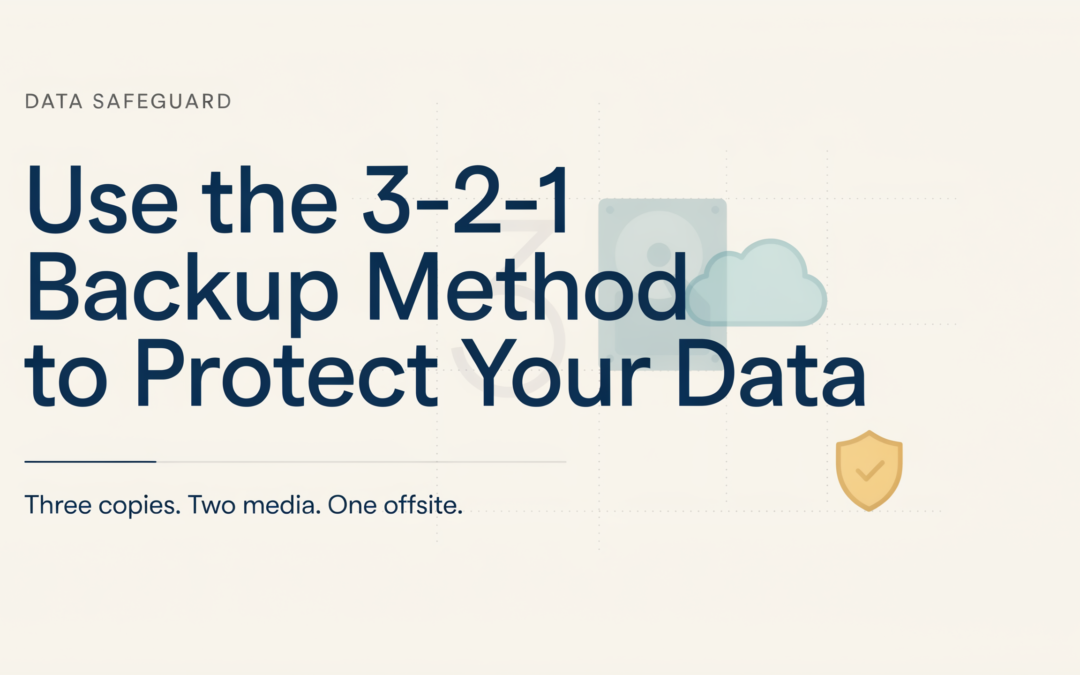
Use the 3-2-1 Backup Method to Protect Your Data. Hardware can easily become compromised, stolen or damaged. And this can leave you without crucial data. But the 3-2-1 backup method is here to help. Data disasters are most often caused by hardware failure,...