
by Ophtek, LLC | Dec 9, 2025 | Backup, Cloud, educate team, monitor, network security, Office IT, Ophtek, update regularly, upgrade
Modern businesses rely on IT more than ever before, so getting the best out of it is crucial. Luckily, improving it doesn’t have to be difficult or costly. Every organization, from small offices to growing enterprises, depends on its IT infrastructure –...

by Ophtek, LLC | Dec 2, 2025 | GhostNetwork, malware, Ophtek, Security, Security Threats, YouTube
Malicious YouTube videos are tricking users into installing malware, spreading a hidden “ghost network” across thousands of PCs. Cybercriminals have recently turned their attention towards a new battleground: YouTube. Yes, rather than relying on phishing emails...
by Ophtek, LLC | Oct 14, 2025 | Backup Strategies, cyberattack, Data Breach, Jaguar Land Rover, multi factor authentication, Ophtek, strong passwords, update regularly
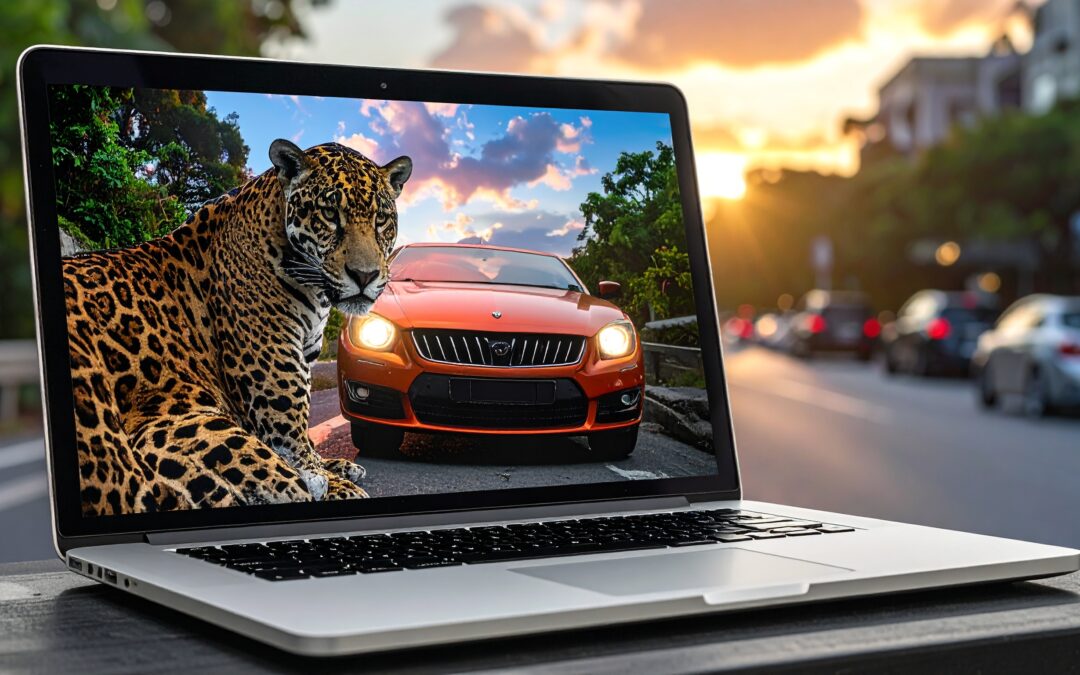
Jaguar Land Rover has confirmed not only intense disruption to its operations after a cyberattack, but also that customer data was compromised. In early September 2025, British carmaker Jaguar Land Rover (JLR) announced that they had experienced a serious...

by Ophtek, LLC | Oct 7, 2025 | BitDefender, malware, Ophtek, Phishing, Security Threats, SVG Graphics
Cybercriminals are using image files in unexpected ways, turning harmless-looking graphics into traps which install malware. A New Kind of Digital Deception Most people think of image files as safe. After all, the online world is full of pictures for people to look at...
by Ophtek, LLC | Sep 16, 2025 | DLL side-Loading, install updates, malware, Ophtek, QuirkyLoader, security software, spam email
A new malware – QuirkyLoader – has emerged, sneaking into computers through email and causing major trouble. Active since 2024, it’s now a growing concern. As the name suggests, QuirkyLoader is a type of malware known as a loader....
by Ophtek, LLC | Sep 9, 2025 | andivirus, anti-malware, booking.com, malware, Ophtek, Phishing
A clever trick using a deceptive URL is now being used to spread malware by impersonating Booking.com, so it’s crucial you always check before you click. Cybercriminals are emailing fake Booking.com links which look almost 99% identical to the real...