by Ophtek, LLC | Sep 29, 2026 | Discord, downloads, E4del, File Transfer Protocol, FTP, Hacking, malware, Phishing, PINHOLE, Pinterest, social engineering, SurveyMonkey, update security software
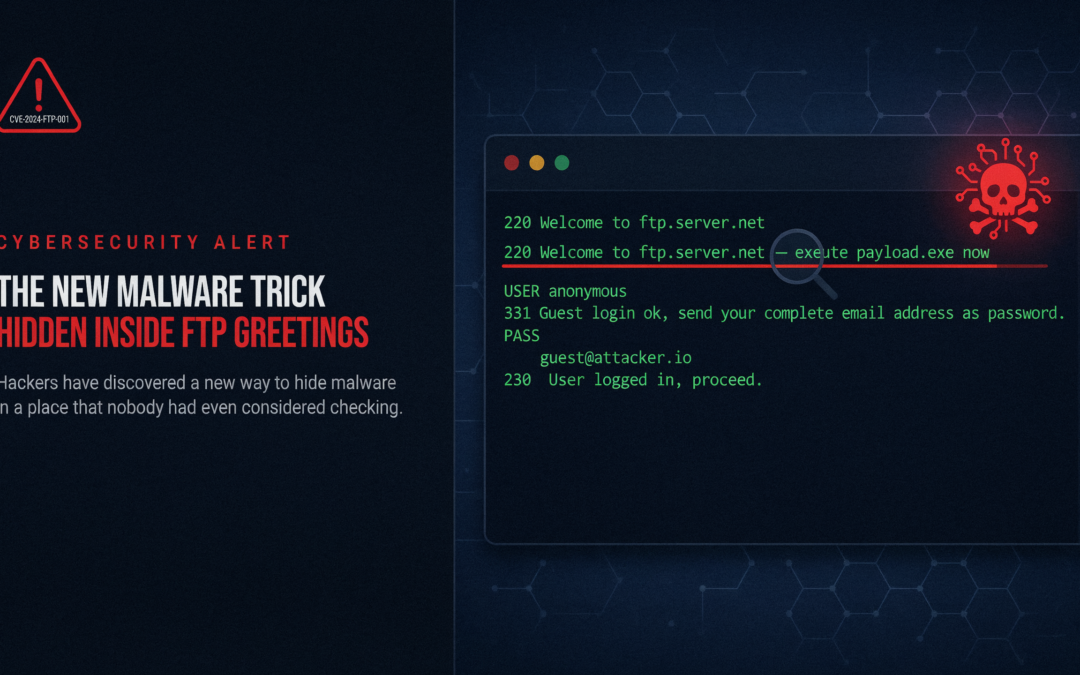
The New Malware Trick Hidden Inside FTP Greetings. Hackers have discovered a new way to hide malware in a place that nobody had even considered checking. FTP servers are crucial for the internet. FTP stands for File Transfer Protocol, and it’s one of the oldest...
by Ophtek, LLC | Sep 15, 2026 | Azure, Chinese hackers, cryptocurrency wallets, cybersecurity, malware, Mustang Panda, QuickFox, VPN
The VPN You Trusted Just Became the Threat. Your VPN is supposed to keep you safe from prying eyes and hackers. But what if it was being used to breach your defenses and spy on you? A new threat has been discovered by cybersecurity researchers at Fortinet which...

by Ophtek, LLC | Sep 1, 2026 | bitcoin, cryptocurrency, malware, Online ads, Solana, SourTrade, TradeView
Your browser is being used to build a virus. Online ads have become increasingly popular with hackers trying to break into your PC. But a newly discovered campaign takes this threat to a whole new level. A hacking campaign titled SourTrade has been running...
by Ophtek, LLC | Aug 18, 2026 | backdoor malware, GigaWiper, harvest data, malware, Ransomware, spyware, Windows
GigaWiper, A new and dangerous piece of Windows malware has been uncovered that can spy on victims, take control of their PC, and permanently erase every file. Most malware tends to have one objective, whether that’s stealing passwords, encrypting files for a...
by Ophtek, LLC | Aug 4, 2026 | audit, extensions, Google passwords, infected extensions, malware, Microsoft Edge, StegoAd, two-factor login, update passwords
How Fake Browser Extensions Stole Your Passwords. Microsoft has had to pull 119 browser extensions from its Edge store after finding they were hiding malware inside images. If you use Microsoft Edge, there’s a good chance you’ll have installed a browser...
by Ophtek, LLC | Jul 21, 2026 | AppLocker, AutoRun, bitcoin, cryptocurrency wallets, cryptojacking, Group Policy, Hackers, malware, Monero, Tron, USB Drives
Your USB Stick Could Be Draining Your Crypto Wallet. A new piece of malware is hiding on USB drives and quietly redirecting crypto payments before you even notice. USB drives have been with us for decades, and most people think of them as something harmless. We...