
by Ophtek, LLC | Jul 14, 2026 | cracked games, Free Games, Hackers, infostealer, malware, RenEngine, Security, security software, torrents, Zero Trust
The Hidden Price of Free Games. The promise of a free game might seem like a bargain, but it could end up costing you far more than buying it legally. Pirated PC games have always carried a certain level of risk. Some crash, some don’t work properly, and...
by Ophtek, LLC | Jun 23, 2026 | Eastern Europe, Ghostwriter, JavaScript Malware, malicious links, malware, OYSTERFRESH, Phishing Email, Ukraine
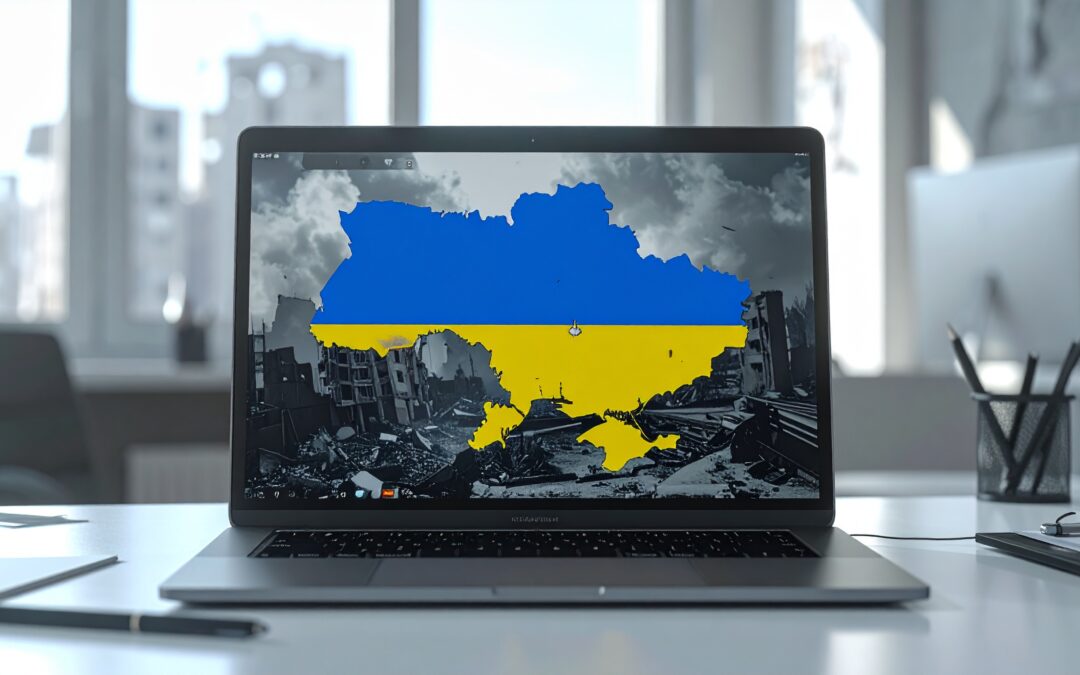
How OYSTERFRESH Is Powering New Phishing Attacks on Ukraine. Members of the Ukrainian government have been targeted by a new wave of phishing attacks aimed at stealing sensitive data. This new attack uses phishing emails which, at first glance, look like...

by Ophtek, LLC | May 26, 2026 | Hackers, malicious code, malicious sites, malware, Plugins, WordPress
Trusted WordPress Plugins Turned Into Malware Delivery Tools. A hacked WordPress plugin suite has pushed malware to thousands of websites, highlighting how trusted tools can quickly be turned into threats. When you run a website, you tend to assume that popular...

by Ophtek, LLC | May 12, 2026 | Ad-Blocker, browser extensions, cyber attacks, data theft, Hackers, malware, pop ups
When One Click Exposed an Entire Customer Base. One employee’s click on a fake pop-up gave hackers access to a power company’s systems, exposing the data of hundreds of thousands of customers. The attack took place at Nova Scotia Power, a major electricity provider in...
by Ophtek, LLC | Apr 21, 2026 | Google Workspace, Hackers, malware, Microsoft Entra ID, OAuth, Phishing, Security Threats
Hackers Are Turning Trusted Login Systems Against You. Login pages, especially trusted ones, should always be secure. But what happens when that trusted login page becomes the start of a scam? A new wave of sophisticated phishing attacks has started exploiting...
by Ophtek, LLC | Mar 3, 2026 | cyber attacks, Gootloader, malware, Update Software
A familiar-looking download is being used in a clever new way to sneak malware onto people’s PCs, and most users would never notice it happening. Gootloader, a long-running malware campaign, has changed its tactics, and that change makes it easier to trick...